Economic crisis, political anger, and global tension drive unrest across Iran
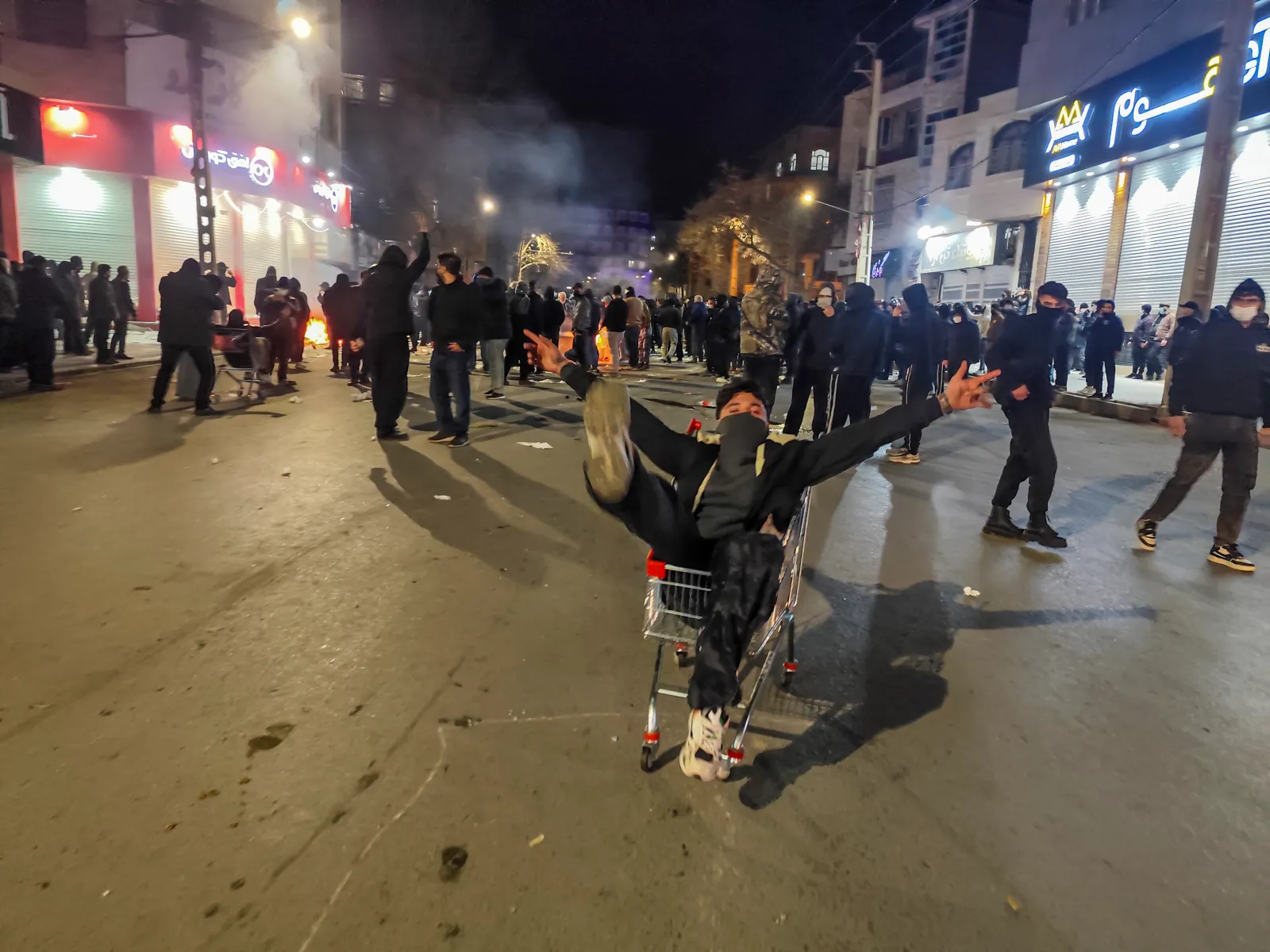
The debate over Iran protests and US action has intensified as widespread demonstrations shake the country. These protests raise serious questions about the future of Iran’s leadership. What began as economic frustration has evolved into a nationwide movement. This shift has drawn international attention and sharp warnings from the United States.
Public anger erupted after the Iranian rial lost much of its value against the US dollar. Inflation has climbed to roughly 40%. This surge makes basic necessities like food and cooking oil unaffordable for many. Years of international sanctions, corruption, and economic mismanagement have pushed Iranians to a breaking point.
Initial protests by Tehran shopkeepers expanded quickly. University students joined the movement as it spread to every province. As momentum grew, chants shifted from economic complaints to open criticism of the political system and the Supreme Leader.
Slogans opposing Ayatollah Ali Khamenei became more frequent as demonstrations intensified. Some protesters even expressed support for Reza Pahlavi, the exiled son of Iran’s former shah. This signals deep dissatisfaction with the current ruling structure.
Human rights groups report protests in hundreds of locations. Authorities have arrested thousands of people. While exact numbers are unclear, this unrest represents one of the greatest challenges to Iranian leadership in decades.
The government has responded forcefully to the unrest. Security forces reportedly used water cannons, tear gas, and live ammunition. Medical workers say hospitals are overwhelmed as casualties rise.
Human rights organizations estimate that hundreds of protesters and dozens of security personnel have died. Iran’s judiciary has vowed harsh punishment for those involved. They have instructed courts to show no leniency to demonstrators.
An internet blackout has tightened state control. This shutdown limits the flow of information and prevents independent verification. Most Iranians remain cut off from the outside world, though some use satellite connections or workarounds.
Former US President Donald Trump has issued several warnings to Iran. He stated the United States is considering “very strong options” if violence continues. Trump claimed Iranian leaders want to negotiate, but he suggested military action could happen first.
US officials have reportedly briefed Trump on several responses. These include military strikes, more sanctions, and cyber operations. Iranian leaders have warned they will respond forcefully to any attack
The situation remains volatile. Economic hardship, political anger, and international pressure have created a critical moment. Whether this leads to reform, more repression, or global confrontation will shape Iran’s future.