KABUL/ ASTANA/WASHINGTON: Afghanistan is quietly rewriting its re-entry script on the global stage, turning to environmental diplomacy as a strategic bridge between isolation and engagement, according to a WorldAffairs Exclusive interview that sheds new light on Kabul’s evolving priorities.
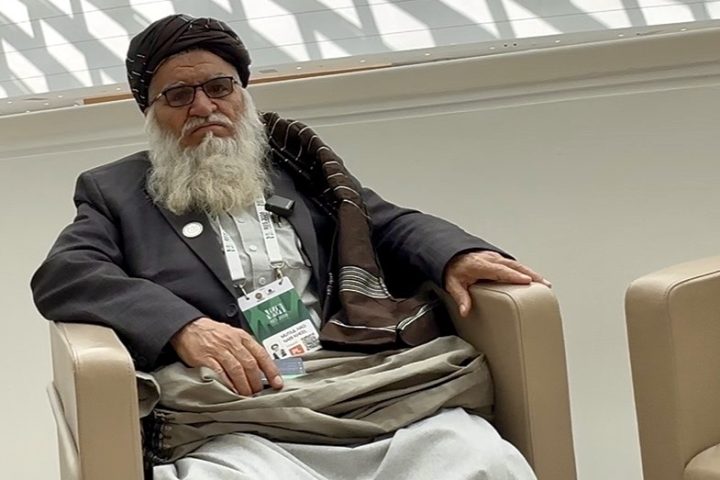
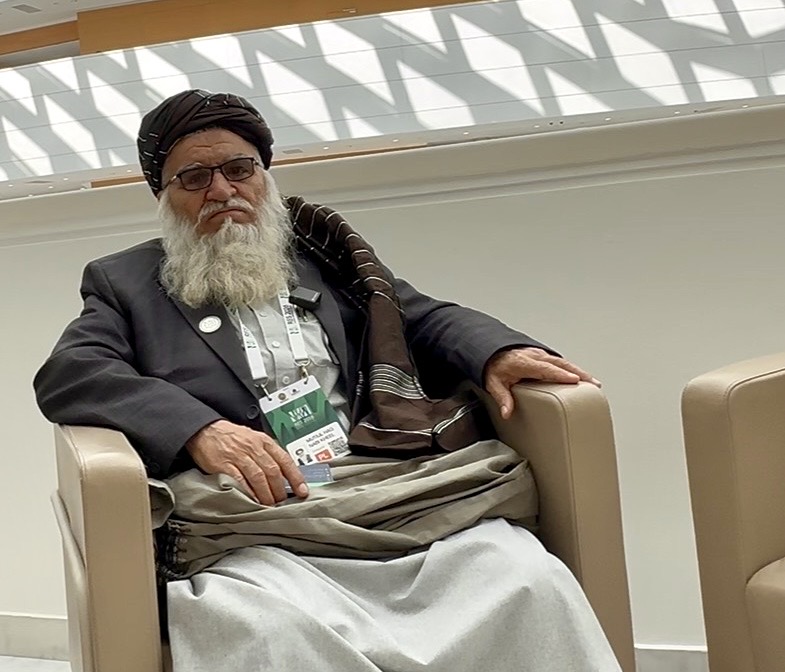
In the conversation with WorldAffairs at the sideline of Astana Summit, Matiul Haq Khalis, who leads Afghanistan’s National Environmental Protection Agency, outlined a deliberate pivot: climate and environmental cooperation are no longer peripheral policy concerns but central instruments of foreign engagement. By reframing ecological challenges as shared regional risks, Afghanistan is attempting to reopen dialogue channels that remain constrained in traditional political arenas.
This recalibration comes in the aftermath of the US withdrawal from Afghanistan, which forced Kabul to rethink how it interfaces with a fractured international system. Rather than competing within hard geopolitical alignments dominated by powers such as China and Russia, Afghan officials are prioritizing cooperation in areas that naturally demand cross-border coordination water, air, and climate resilience.
At the center of this strategy lies geography. Afghanistan’s position along critical water systems like the Amu Darya basinplaces it at the heart of an emerging regional equation where water scarcity and energy demands are becoming defining security concerns. Officials see this not as a vulnerability, but as leverage, an opportunity to embed Afghanistan into regional frameworks through necessity rather than negotiation.
The economic dimension is equally pronounced. Khalis highlighted sectors ranging from sustainable agriculture and wastewater treatment to air quality management and ecosystem restoration as areas ripe for international collaboration. Renewable energy stands out as a cornerstone of this outreach. With vast untapped solar and wind potential, Afghanistan is positioning itself as an emerging frontier market at a time when global capital is rapidly pivoting toward green investments.
Early signals of interest from countries including India, Turkey, Kazakhstan, Azerbaijan, and Russia suggest that this approach is beginning to resonate, albeit cautiously. Environmental cooperation is emerging as a politically neutral entry point, one that allows engagement without immediate exposure to deeper strategic or ideological divides.
Behind the scenes, this shift is being reinforced through diplomatic continuity. Efforts led by Foreign Minister Amir Khan Muttaqi indicate that environmental diplomacy is not a standalone initiative but part of a broader framework designed to rebuild Afghanistan’s external partnerships across economic and political lines.
Yet the path forward is far from assured. The interview underscores a persistent perception gap, with investor confidence still constrained by concerns over regulatory clarity and long-term stability. Afghan officials acknowledge that while conditions on the ground are evolving, international narratives have been slower to adjust. Bridging this divide, they argue, will be critical to converting diplomatic outreach into tangible capital flows.
What emerges from the WorldAffairs Exclusive is a country experimenting with an unconventional playbook. Instead of seeking immediate reintegration through traditional power politics, Afghanistan is leveraging shared environmental challenges as common ground for engagement. In doing so, it is attempting to transform climate vulnerability into diplomatic currency.
The success of this strategy will depend largely on whether global stakeholders are willing to engage on these terms. But one signal is already clear: Afghanistan’s green diplomacy push represents not just a policy shift, but a broader reimagining of how a country on the margins can navigate its way back into an increasingly fragmented world.
– Gleb Gordeyeva, Mariye Bryanski and Eric Mccartney
READ THE WORLDAFFAIRS REPORT; https://thewnn.com/afghanistan-environmental-diplomacy-global-reentry/
Also Available worldwide via Amazon, Kindle, Magzter, Flipcart and also in your neighborhood at premium bookstores. Find the links below of online retailers;
Magzter: https://www.magzter.com/IN/WorldAffairs/WorldAffairs-News-Views–Analysis/News/
Flipcart: https://www.flipkart.com/product/p/itme?pid=MAZHNYK7EBGMVYEH