From Floral Artist to Drone Maker
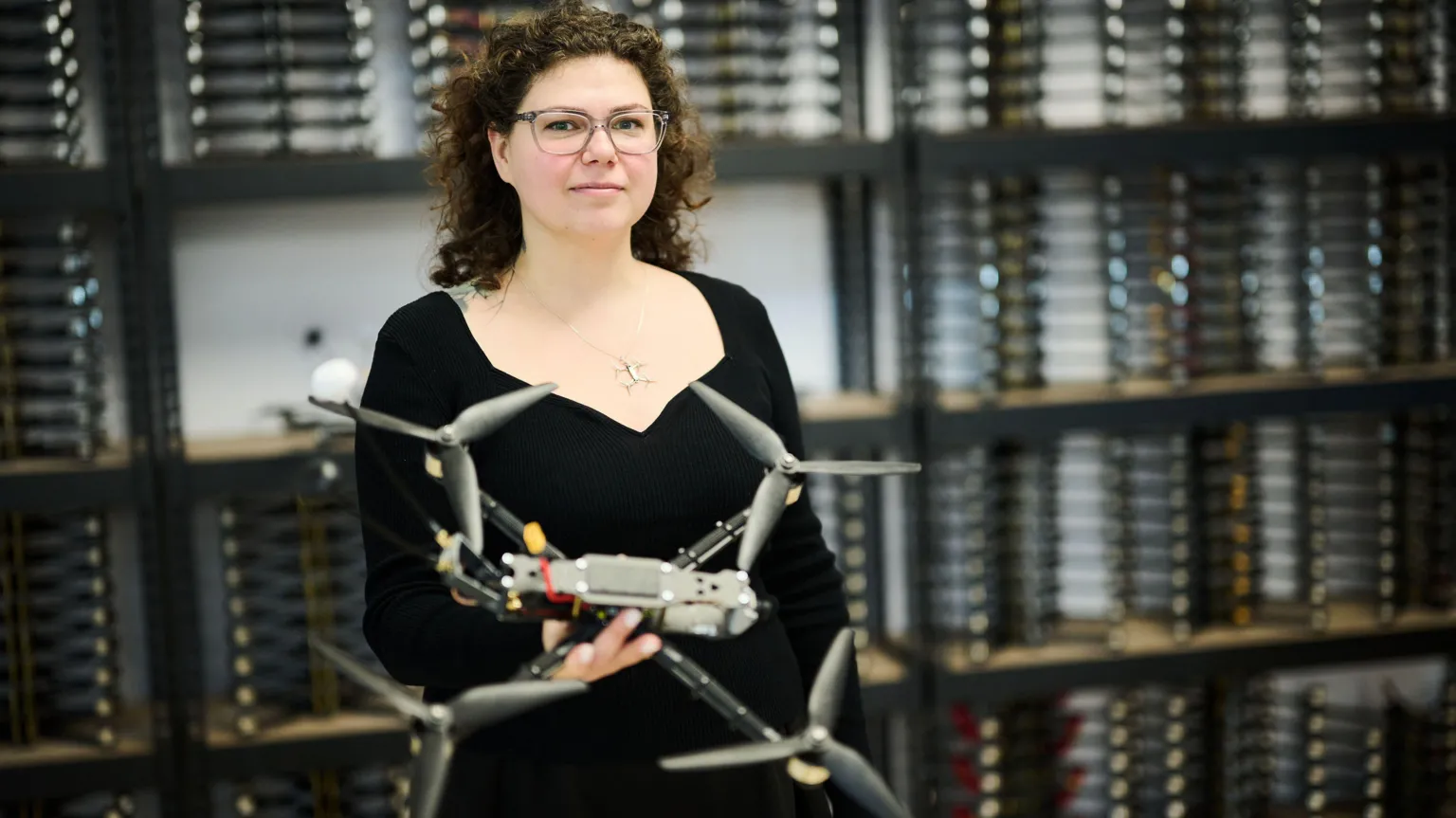
Before Russia’s invasion of Ukraine, Kseniia Kalmus was a floral artist. She co-owned a flower shop in Kyiv and traveled around Europe showcasing her floral arrangements. Today, she’s making drones used against Russian forces in the ongoing conflict.
“I just wanted to help my country, help my people, and the military,” Kalmus tells the BBC from the Ukrainian capital. What began as a desire to provide supplies for soldiers has now turned into a mission to build drones.
The Growing Need for Drones
After the war began in February 2022, Kalmus raised money to buy everything Ukrainian soldiers requested, from vehicles to uniforms. However, the requests soon began to change. “All the requests were for FPV [first-person view] drones,” she recalls. This shift in military needs prompted Kalmus to start producing drones specifically for the front lines.
The Rise of Drone Warfare
Kalmus is part of a growing movement in Ukraine where civilian volunteers have taken up drone production. She and her fellow volunteers now produce hundreds of small quadcopters each month. These drones, which might have once been used to capture aerial photos, are now equipped with small bombs and used as deadly weapons in the conflict.
Drones are now integral to modern warfare. Whether for combat, surveillance, or delivery, drones have become a key weapon in conflicts worldwide.
Ukraine Leads the Charge in Drone Production
Before the war, only a few Ukrainian companies made drones. Now, there are hundreds. Kyiv claims that drones are responsible for around three-quarters of Russian losses on the battlefield. Stacie Pettyjohn, director of the defense program at the Center for a New American Security, calls this the world’s first full-scale drone war.
“People are making drones in their apartments and garages,” says Pettyjohn. “They’ve become the go-to weapon for the Ukrainians.”
Read Also:
- Chancellor Rachel Reeves Signals Tax Increases Ahead of November Budget
- Reeves Rebuked by PM Over Regrettable Rental Confusion
The Global Spread of Drone Warfare
The use of drones is no longer limited to Ukraine. They’re increasingly being used in conflicts around the world, from the Middle East to Myanmar and Sudan. Drones are gaining popularity for their low cost and ability to provide air power to nations without the resources to build traditional air forces.
Defense contractors such as Lockheed Martin and Boeing are taking note, but smaller drone-makers, like US-based AeroVironment, are seeing their stocks soar since the invasion. In Europe, companies like Portugal’s Tekever have become unicorns, valued over $1 billion. Germany’s Stark is expanding operations, with a new factory opening in the UK.
The Future of Warfare: Drones and AI
The demand for drones is transforming the defense sector. The next major development in drone technology is expected to be artificial intelligence (AI). Currently, drones are guided by operators, which can place them at risk. However, experts predict that in the future, drones will be fully autonomous, collaborating to carry out missions without direct human control.
Ms. Pettyjohn predicts that smart AI will allow one operator to control multiple drones simultaneously, with future developments leading to fully autonomous fleets.
The Counter-Drone Industry
As drones become more prevalent in military operations, the counter-drone industry is also growing. For every drone launched in combat, someone is working to jam its signal or shoot it down. Companies like DroneShield are making systems to detect and neutralize drones. This technology is increasingly being sought by Western nations to protect critical infrastructure, as drones are used to target airports and other sensitive areas.
Kalmus’s Continued Mission
Kseniia Kalmus continues to assemble drones for the front line. “I miss flowers very much and I miss that previous life, of course,” she admits. “A lot of my friends, me as well, changed totally, from flower artists or from dancers to drone producers. But this is a question of existence. We just fight for our country, for our existence, for our culture.”