How Artificial Intelligence Is Fueling Productivity Increases Worldwide
The global productivity boom that began in the United States is now showing early signs of spreading internationally as companies increasingly invest in artificial intelligence (AI) and advanced technology to boost output and efficiency.
Recent business data reveal that firms in countries like the United Kingdom and Germany are producing more goods and services per worker while hiring remains subdued, a classic indicator of rising productivity.
In Britain, the latest purchasing managers’ index (PMI) showed output growing at its fastest pace since early 2024, even as employment declined — a combination that signals productivity growth. Germany’s data tell a similar story, with output and efficiency increasing despite weaker job creation.
While short-term indicators like PMI don’t always align perfectly with official government statistics, economists say these trends are noteworthy and suggest that technology-driven gains may be emerging beyond the U.S. frontier.
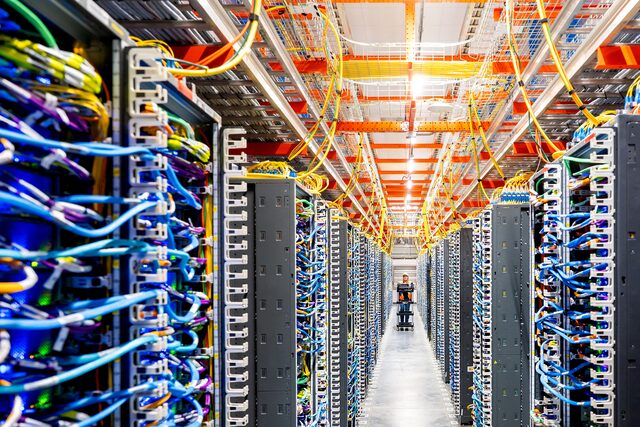
A key force behind this shift is investment in AI and related technologies. Companies globally are betting that AI will make operations more efficient and innovative, helping them generate more output with fewer inputs.
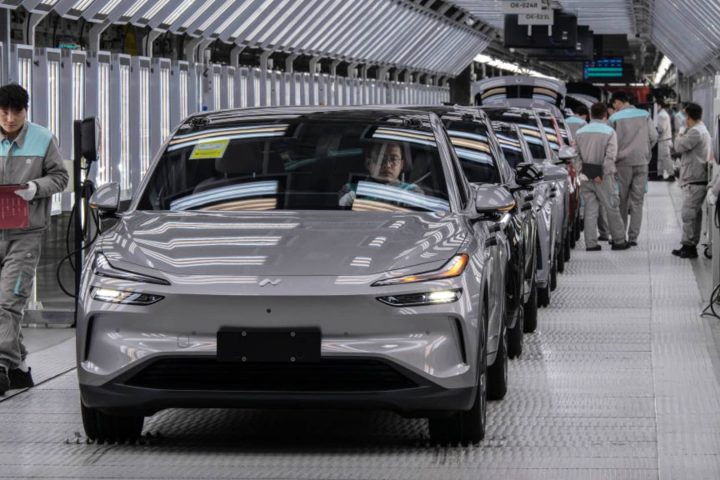
China, for example, is already seeing productivity advances in sectors such as high-tech manufacturing and steel, supported by rapid growth in computing power — even with the U.S. still leading overall productivity growth.
In contrast, many European economies face structural challenges like slower innovation rates, regulatory hurdles, and lower private investment, which may limit immediate benefits from AI adoption.
Policymakers are also watching productivity trends closely because stronger productivity can help control inflation without aggressive interest rate hikes. Federal Reserve leaders have pointed to gains in efficiency as a potential tool to support stable prices and long-term economic growth.
However, some economists caution that rising productivity could come with fewer jobs if firms increasingly rely on automation, creating new challenges for labor markets even as economic output rises.