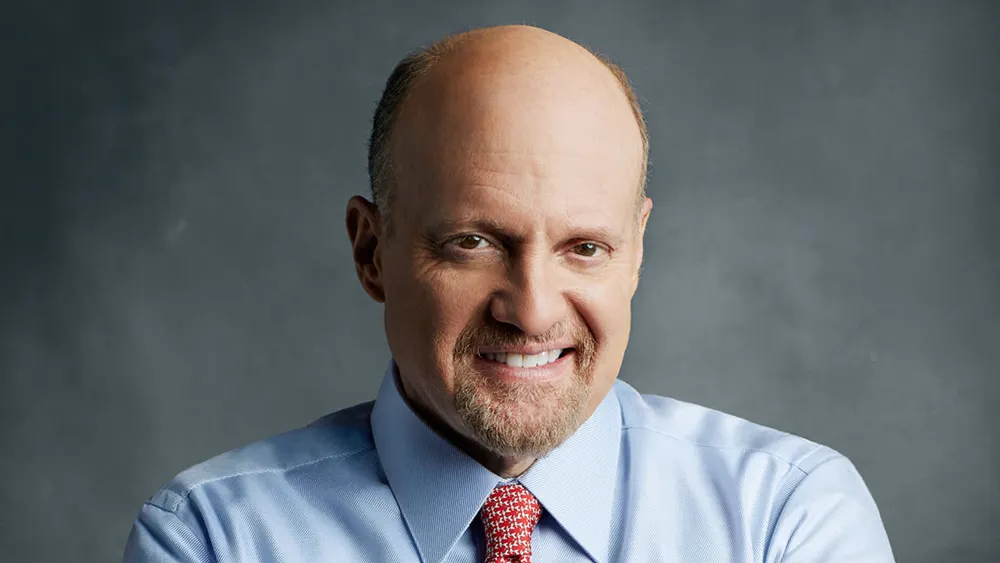
Jim Cramer, the host of CNBC’s Mad Money, voiced concerns over the state of the tech sector on Thursday, particularly about the AI market and the growing trend of insider selling. Cramer likened current market conditions to the dotcom bubble, suggesting that the “mania” surrounding AI stocks might be beginning to unwind.
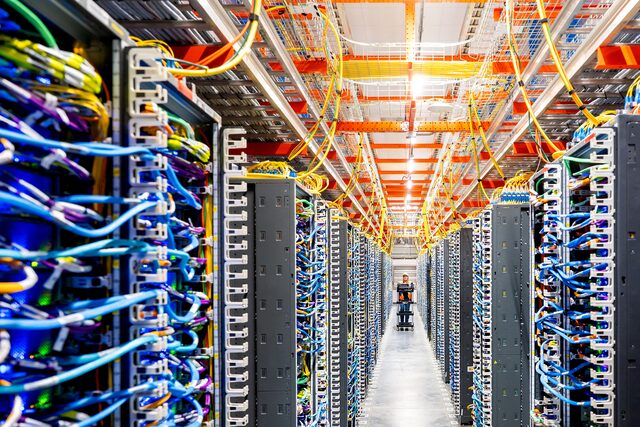
Cramer noted that while he remains bullish on profitable companies involved in AI, he is growing increasingly cautious about speculative stocks tied to data centers and artificial intelligence. He observed significant declines in these sectors, especially on the back of insider selling, which he compared to what occurred during the dotcom era.
“I don’t want to abandon the truly profitable companies involved in AI… but I know a mania when I see one, and this one feels like it’s starting to unwind,” Cramer said during his market analysis. He also expressed concerns about peripheral companies in the data center space, especially those involved in quantum computing and alternative power technologies, which have a history of failing to turn a profit.
Cramer specifically highlighted the massive spending on AI infrastructure by companies like OpenAI, warning that such high expenses could be problematic. He also cited secondary stock offerings and insider selling as red flags, particularly among AI-related cryptocurrency companies. This pattern, he argued, echoed the behavior seen during the dotcom boom when many companies raised capital while insiders sold their shares.
However, Cramer also stressed that the comparison to the dotcom bubble isn’t entirely accurate. He pointed out that today’s tech giants, or hyperscalers, are in a far stronger financial position than their dotcom-era counterparts. These companies, including some of the largest tech firms in the world, are making substantial investments in AI and have more financial resources than they know what to do with, which could help shield the sector from a full-scale collapse.
“In 2000, these kinds of companies ended up bringing down the whole darned edifice,” Cramer said, referencing the dotcom crash. “Now, I don’t think it’s going to repeat like that. Why? Because the big hyperscalers that we talk about all have more money than they know what to do with.”
Despite his caution about speculative stocks, Cramer did not rule out the potential for AI to drive long-term growth. However, he urged investors to remain discerning about where they place their money, especially in an environment where the AI mania appears to be cooling off.