The Trump administration has ordered a halt on all construction for five offshore wind projects along the East Coast of the United States, sending shockwaves through the renewable energy sector. These projects, valued at $25 billion, are now at risk of collapse as companies face mounting pressure from both financial losses and potential layoffs.
Impact on Revolution Wind and Other Projects
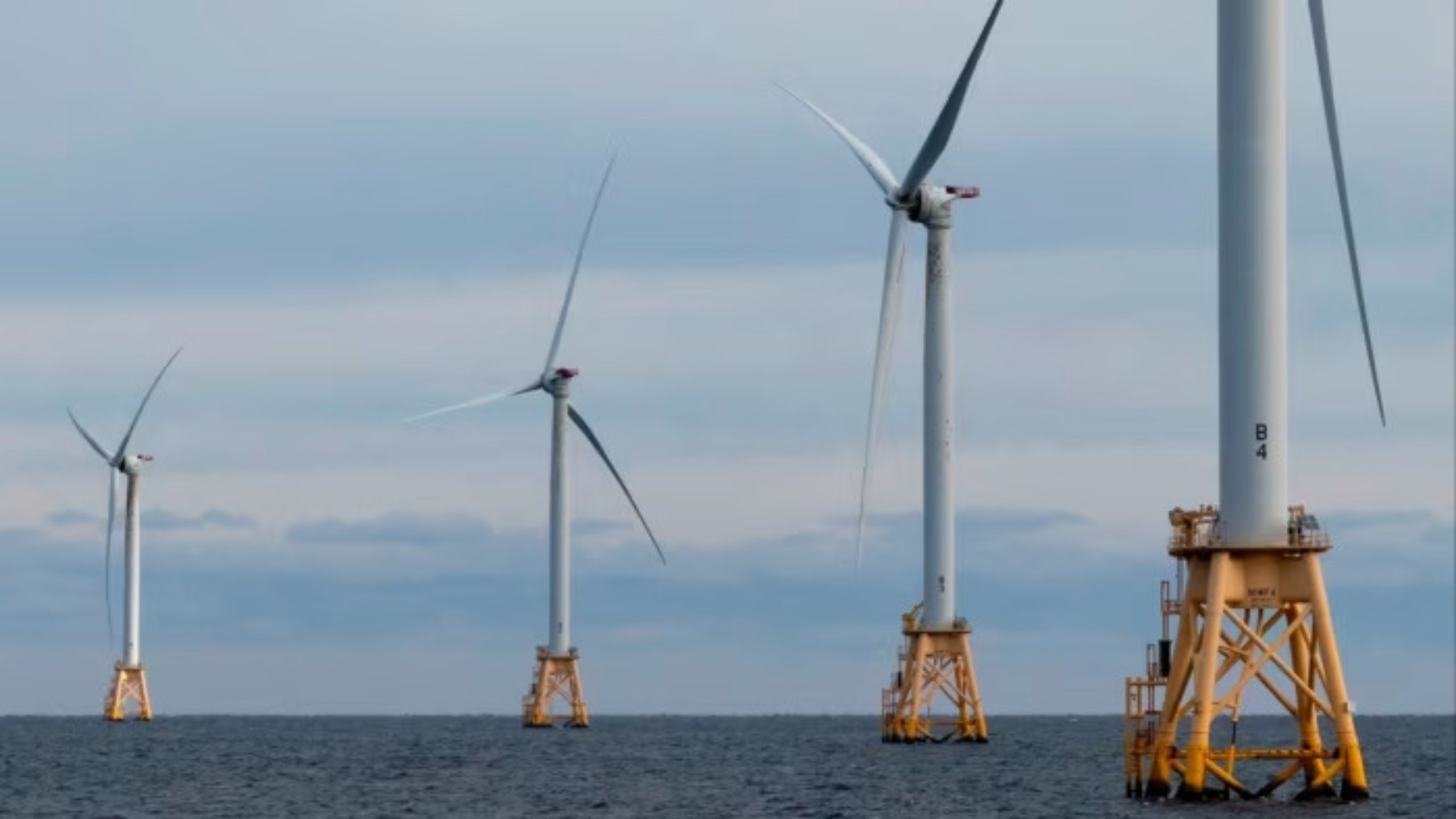
The order, issued on December 22, 2025, has forced construction to stop on major offshore wind farms, including the nearly completed Revolution Wind off Rhode Island. The $6.2 billion project, led by Danish energy giant Orsted, was set to power over 350,000 homes once finished. It was 87% complete, with 58 of the 65 wind turbines already installed.
This halt follows a similar move in August 2025, when the Trump administration initially suspended the project before a federal judge ruled to resume work. The timing of this latest disruption—just days before Christmas—has left workers and local businesses reeling, with many fearing long-term financial consequences.
Biden’s Vision for Offshore Wind Faces Roadblocks
The offshore wind farms in question were originally approved by the Biden administration, marking a significant step toward the U.S. embracing offshore wind as a key part of its clean energy transition. The projects were expected to create around 10,000 jobs and power over 2.5 million homes. However, the Trump administration’s recent intervention has thrown these plans into disarray, with the government citing undisclosed national security concerns, which were previously dismissed by federal judges.
ExxonMobil, ConocoPhillips, and other major companies involved in these projects have expressed frustration over the disruption. The abrupt change in policy has caused billions of dollars in losses, and some companies are threatening to abandon the projects altogether if work cannot resume soon.
National Security Concerns and Legal Challenges
The Trump administration has justified the latest work stoppage by claiming that the wind farms pose a threat to national security due to potential interference with radar systems. However, developers and legal experts point out that these concerns were thoroughly addressed during the initial approval process, with the Defense Department having already reviewed the plans multiple times without raising any major issues.
Also Read: African Manufacturers Push to Extend AGOA Trade Pact
“We’ve been clear and consistent that we are ready to address any national security concerns that were not already resolved,” said Molly Morris, senior vice president at Equinor, a key player in the Empire Wind project. She emphasized that the companies had already taken significant measures to mitigate any potential risks, including upgrading military radar systems.
In response to the halt, companies like Orsted, Equinor, and Dominion Energy have filed lawsuits to challenge the Trump administration’s decision. A series of court hearings are scheduled for next week to determine whether construction on these vital projects can resume.
Financial Fallout and Potential Industry Shake-Up
The decision to halt offshore wind projects has immediate financial consequences. Offshore wind farms require specialized ships and equipment, which are booked months, if not years, in advance. For example, Orsted’s Revolution Wind project is using a 450-foot-long vessel called the Wind Scylla, which is scheduled to leave by February 22, 2026, for other projects. A prolonged delay would not only lead to further financial losses but could also cause a massive logistical nightmare, disrupting schedules for all future projects.
At Empire Wind, Equinor has invested an additional $1.5 billion since May 2025, signaling its commitment to the project. However, with the latest work stoppage, the company faces the risk of losing a vital window of opportunity to complete the offshore substation before the equipment leaves the site in mid-January.
Trump’s Energy Policy: A Shift Back to Fossil Fuels
The Trump administration’s stance on renewable energy has been clear: the president has long been a critic of wind power, calling turbines “ugly” and “expensive.” His administration has repeatedly tried to halt offshore wind projects, arguing that they are inefficient and pose threats to national security. While President Biden has sought to promote renewable energy as part of his climate agenda, Trump’s reversal of these policies threatens to disrupt the clean energy transition that many saw as a cornerstone of the future U.S. economy.
Read: Oil Prices Rise Amid U.S. Action in Venezuela
Some lawmakers, including Representative Jeff Van Drew of New Jersey, have supported the Trump administration’s position, arguing that national security concerns over radar interference are valid. However, experts in the field, including Frank Rusco from the Government Accountability Office, argue that radar issues can be mitigated with technological solutions, making the Trump administration’s stance on this matter increasingly difficult to defend.
The Future of Offshore Wind in the U.S.
Despite the Trump administration’s recent intervention, offshore wind developers are determined to continue their work. If the courts rule in favor of the developers, these projects may still have a chance to be completed. However, if the halt continues, the U.S. may lose its position as a global leader in renewable energy, at least in the short term.
The ongoing legal battles and financial losses could have a lasting impact on the offshore wind industry, potentially pushing companies to focus on other markets or reconsider investments in U.S. energy projects altogether.