India’s long-standing trade in Russian oil imports is set for a significant shift, as U.S. sanctions targeting companies that do business with major Russian oil firms come into effect. The sanctions, imposed as part of President Trump’s broader economic strategy, aim to curtail Russia’s oil trade and reduce its influence in the global energy market.
The sanctions, which affect companies working with Rosneft and Lukoil, Russia’s two largest oil firms, will cut off the supply of Russian crude to India, effectively ending a three-year period of booming oil imports for the country. Indian oil companies, which had been buying Russian crude at discounted prices since 2022, now face uncertainty as they attempt to stockpile the last shipments before the sanctions take hold.
A Last-Minute Rush to Stockpile Russian Crude
The pressure is on for India as the final supertankers filled with Russian oil are racing to reach their destination before the new sanctions are enforced. According to Muyu Xu, a Singapore-based analyst at Kpler, the last-minute stockpiling by Indian oil refiners is likely to mark the end of India’s Russian oil purchasing spree. She expects a sharp decline in Russian crude arrivals to India after Friday, as the sanctions take effect.
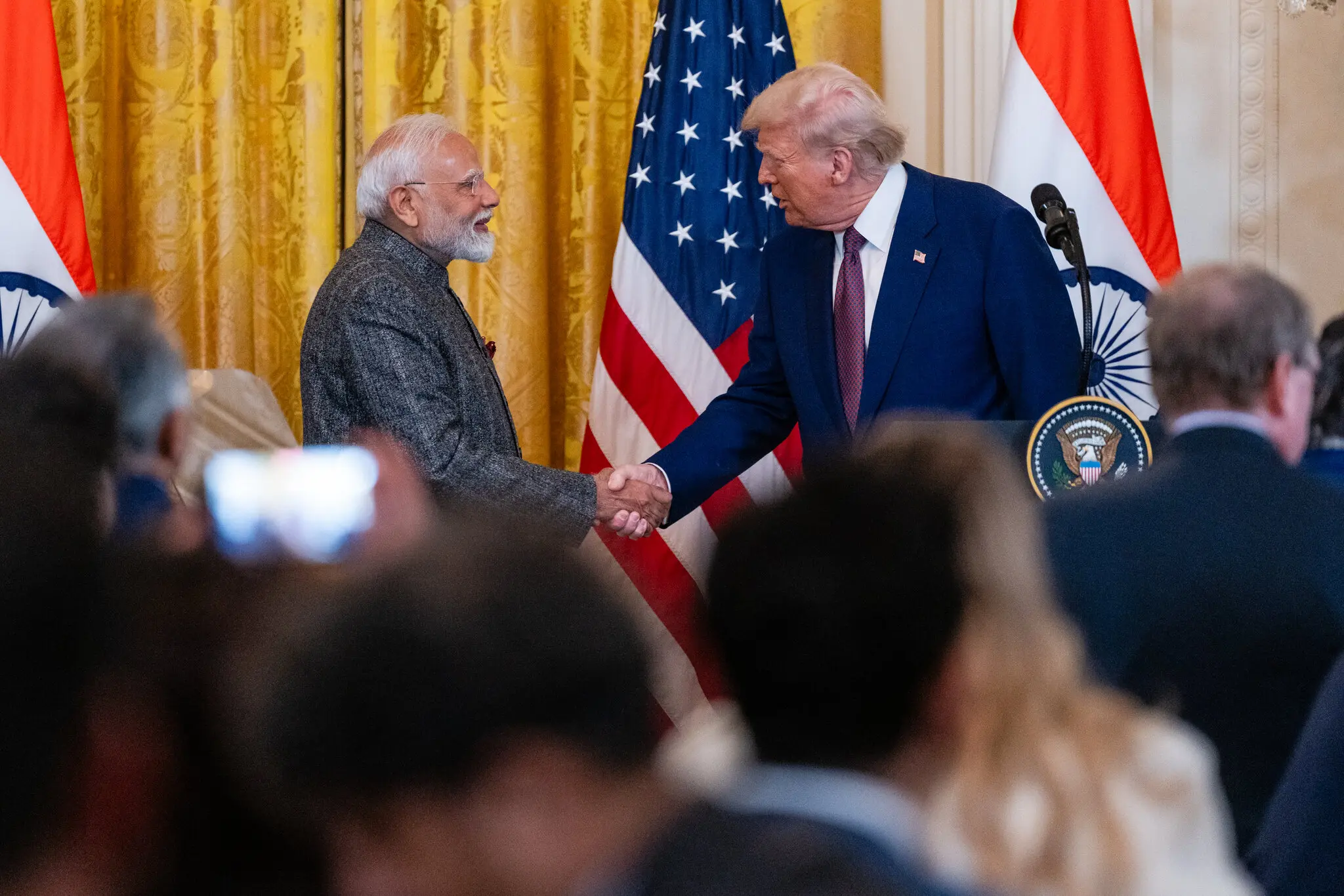
In August 2025, President Trump escalated the pressure on India by imposing a special tariff on Indian goods to punish the country for its continued purchases of Russian oil. The tariff doubled the U.S. import duty on Indian goods to 50 percent, which severely impacted various industries in India. Although the tariff did not significantly slow down India’s Russian crude purchases, it added further strain to the diplomatic relations between the two countries.
Diplomatic Strain and the U.S. Sanctions
India has been caught in a delicate position. While it seeks to maintain its energy security through affordable oil, it also faces increasing pressure from the United States to stop trading with Russia. The sanctions target companies that are involved in trading with Russian oil giants. Although India’s government is not directly sanctioned, Indian oil companies are now under pressure to comply with the new rules or risk severe penalties from the U.S. Treasury.
This situation adds complexity to the already tense India-U.S. trade negotiations, especially as India’s oil refiners rush to complete their orders before the sanctions hit. Leading oil company Reliance Industries has assured that it will comply with the sanctions, stating that the company has a “clean record” of adhering to international regulations. Other Indian state-owned oil firms, such as Indian Oil and Bharat Petroleum, are also adjusting their strategies to avoid purchasing sanctioned oil.
The Role of Nayara Energy
Nayara Energy, India’s second-largest private oil company, presents a more complicated case. Though 49 percent of Nayara is owned by Rosneft, it falls just under the 50 percent threshold for U.S. sanctions. This means Nayara is technically not directly subject to the sanctions. However, its connection to Rosneft raises concerns about its future dealings with Russian crude. Despite being caught in the middle of international sanctions, Nayara maintains that it is an Indian company and that its sovereignty should not be questioned.
When the European Union imposed sanctions on Nayara’s products in July 2025, the company responded by asserting that the move violated international law. Nayara has yet to comment on how it plans to navigate the upcoming U.S. sanctions, but the company faces a significant challenge in balancing international relations and business interests.
Limited Purchases and Clandestine Dealings
For smaller Indian oil companies, continuing to buy Russian oil after the sanctions take effect will be much more difficult. These companies may resort to buying smaller quantities of Russian crude through back channels or less transparent means. Muyu Xu from Kpler notes that most Indian buyers are now cautiously waiting to see if U.S. authorities impose additional measures that would tighten the noose around Russian oil trade.
India’s Shift Toward U.S. LPG Imports
In an attempt to ease the diplomatic tension and demonstrate a shift in its energy strategy, India’s oil minister Hardeep Singh Puri announced that the country would start importing liquefied petroleum gas (LPG) from the U.S. Gulf Coast. This marks the first time that India will purchase LPG from the United States, opening a new market for U.S. exports. Puri touted this move as a step toward diversifying India’s energy sources and contributing to its growing energy needs.
Impact of U.S. Sanctions on India’s Oil Market
As the U.S. sanctions targeting Russian oil firms come into effect, India must carefully navigate its energy needs while balancing its relationship with the United States. The Indian oil market is about to face a massive transformation. While Russia was a key supplier, India must now look for alternative sources of crude oil to replace Russian supplies. This shift could lead to increased energy costs for India, but it could also open new opportunities for trade partnerships and more diversified imports.
The Russian oil sanctions are a critical turning point for India’s oil industry. As the country faces new challenges, it will need to adjust its strategy to ensure energy security while adhering to international regulations. The future of India’s oil imports looks uncertain, but one thing is clear: India will have to find new ways to meet its energy demands in the coming years.