What the Statement Says
On 29 October 2025, UNFPA Executive Director Diene Keita condemned the “shocking attack” on the El Fasher Maternity Hospital in North Darfur, calling it an unspeakable atrocity.
“To kill women as they prepare to bring new life into the world is an unspeakable atrocity,” Keita said.
She noted that the hospital — one of the last functioning maternity facilities in El Fasher — had been repeatedly targeted. Patients, families, and health workers were among the victims.
Keita reminded all parties that international humanitarian law clearly protects patients, health professionals, and medical facilities. UNFPA called for an immediate ceasefire, unhindered humanitarian access, and accountability for those responsible.
Earlier this month, on 9 October, UNFPA had already condemned repeated assaults on the same hospital. That attack reportedly killed at least twelve people and injured many others, including women in labor and medical staff.
Context: What Happened and Why It Matters
El Fasher, the capital of North Darfur, has faced relentless fighting since April 2023, when war broke out between the Sudanese Armed Forces (SAF) and the Rapid Support Forces (RSF).
According to multiple sources, the RSF seized control of the city after a long siege. More than 460 people—including patients and their families—were reportedly killed inside the hospital during the latest assault.
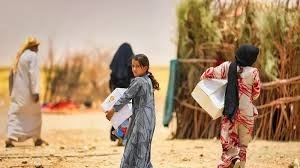
The hospital had already been severely damaged. Supplies were cut off, staff abducted, and thousands of women lost access to care. UNFPA warned that pregnant women and newborns are now in grave danger as the only major maternity hospital lies in ruins.
Hospitals are meant to be sanctuaries of healing. In this case, they became scenes of horror.
Why UNFPA Is Speaking Out
As the UN agency responsible for sexual and reproductive health, maternal safety, and protection from gender-based violence, UNFPA has a vital role in conflict zones.
An attack on a maternity hospital means more than lost lives. It disrupts access to safe childbirth for years, increases maternal deaths, and weakens entire health systems.
In conflict settings like North Darfur, women and girls also face heightened risks of sexual violence, forced displacement, and loss of reproductive health care. UNFPA therefore speaks out not only to condemn but also to protect.
Humanitarian and Legal Implications
UNFPA’s statement underlines three key points:
- Violation of International Law: Attacks on hospitals and medical staff violate international humanitarian law. Keita called the assault a “flagrant violation.”
- Humanitarian Access: Destroyed hospitals mean pregnant women and newborns lose life-saving care. UNFPA insists on safe access for aid delivery.
- Accountability: Without justice, similar crimes will recur. UNFPA demands investigation and punishment for those responsible.
Wider Impact on Women and Health Systems
The loss of El Fasher’s maternity hospital ripples far beyond its walls:
- Women may give birth without skilled attendants, risking death.
- Health workers may flee or refuse to serve, leaving no care for survivors.
- Displaced families may be forced to deliver babies in unsafe conditions.
UNFPA estimates that thousands of pregnant women remain trapped without access to care. The agency is now scaling up operations in nearby towns like Tawila, Al Dabba, and Mellit to bridge the gap.
Response from the International Community
UNFPA’s outrage joins that of other UN bodies. The World Health Organization (WHO) and UN human rights offices also reported mass casualties in El Fasher and identified the attacks as potential war crimes.
Local NGOs and survivors described executions, mass graves, and targeted attacks on civilians, particularly non-Arab ethnic groups.
Keita reaffirmed: “Health care cannot be collateral damage in war—it is a human right.”
UNFPA’s On-the-Ground Response
Beyond statements, UNFPA is taking concrete action. According to its latest update:
- A 24-hour emergency obstetric and newborn care center now operates in Tawila.
- Supplies for 300,000 people, including safe-delivery kits for 800 women, are ready for deployment.
- Safe spaces offer psychosocial support and case management for women and girls.
- Additional health teams have been sent to Darfur to strengthen services for those fleeing El Fasher.
These efforts show UNFPA’s determination to act even as conflict limits access.
What Happens Next
Key questions remain:
- Will aid workers gain safe access to El Fasher?
- Will investigations identify and prosecute those behind the hospital massacre?
- Can the protection of medical facilities be guaranteed in Sudan’s war?
- How will pregnant women and displaced families receive ongoing reproductive-health support?
Beyond immediate relief, rebuilding North Darfur’s health system will be crucial for long-term recovery.
Final Thoughts
UNFPA’s Executive Director Diene Keita called the El Fasher massacre “a stain on our collective humanity.”
The tragedy highlights how maternity wards—symbols of life—have become frontlines of war.
Her message was clear: the world must not stay silent. UNFPA’s dual mission—condemnation and action—shows what humanitarian leadership looks like amid chaos.
As aid workers mobilize and survivors mourn, the question remains: Will the world hold the perpetrators accountable—or let silence become complicity?