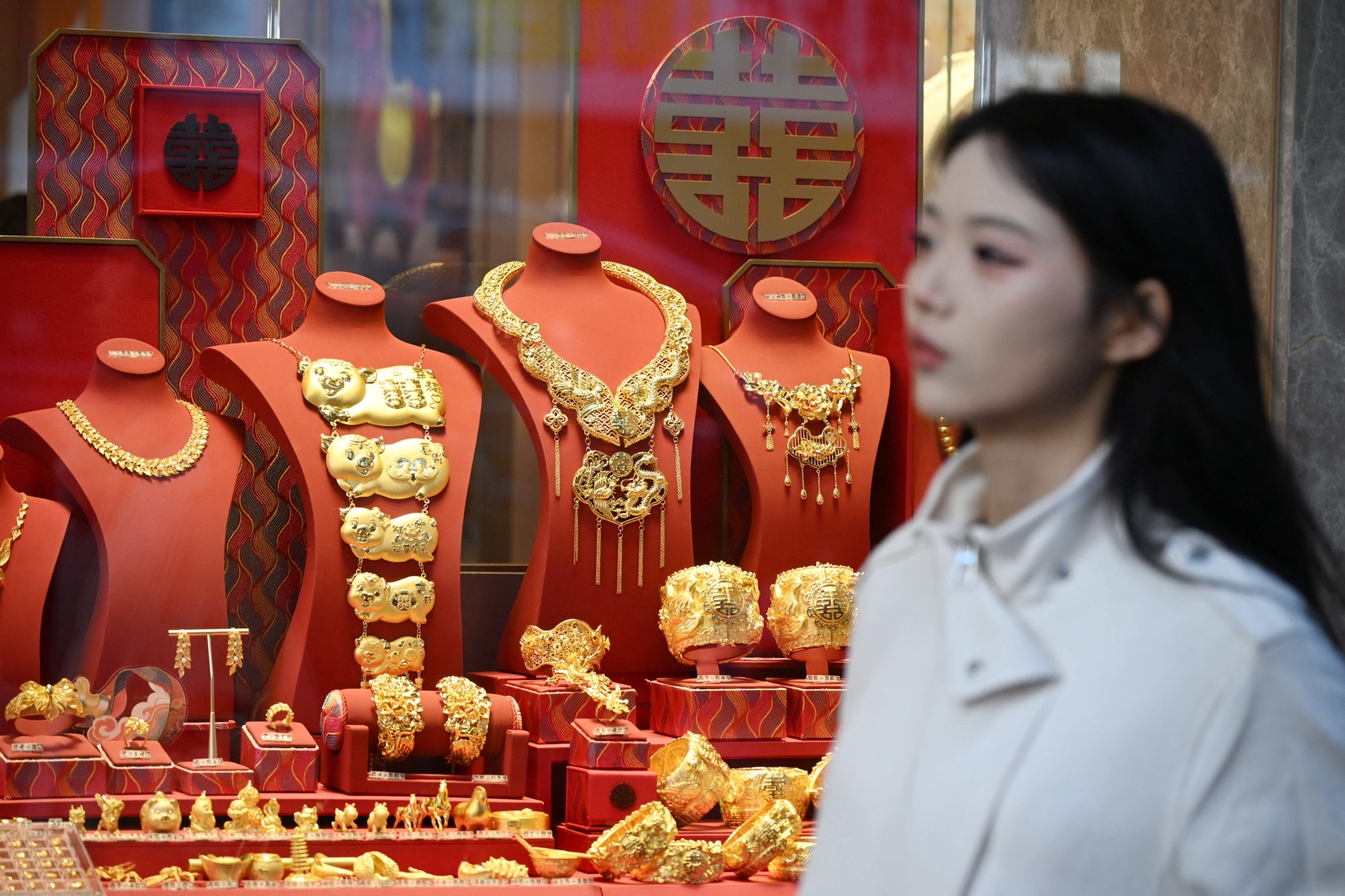
Gold has recently soared to an all-time high of $5,100 per ounce, as investors flock to the precious metal for safety amid escalating geopolitical tensions and market uncertainties. Alongside gold, both silver and platinum also hit record prices, with silver reaching $117 per ounce—up from $43 in 2011—and platinum topping $2,928 per ounce.
This surge in precious metals is largely attributed to the market’s reaction to US President Donald Trump’s recent tariff announcements, which have spooked investors. The White House recently targeted South Korea, raising tariffs on cars, medicines, and lumber from 15% to 25%, citing concerns over trade agreement compliance. Trump has also threatened similar measures against Canada and several NATO allies, heightening fears of global trade disruptions.
Geopolitical Uncertainty Fuels Safe-Haven Demand
As a result, analysts have noted the emergence of an “uncertainty premium” in gold prices, with fears of further instability driving up demand. In addition to gold, platinum and palladium have both experienced price surges, with platinum reaching a record $2,928 per ounce, surpassing its previous high of $2,162 in 2008.
The uncertainty surrounding global trade, particularly Trump’s unpredictable tariff actions, has led to a flight towards safe-haven assets like gold. Platinum’s surge follows a similar pattern, with the metal benefiting from heightened investment in response to concerns over global economic stability.
Forecasts and Investment Trends
The price of gold is driven not only by supply and demand but also by investor sentiment and geopolitical events. Physical gold trades at a premium above the spot price, which is the base price for unallocated gold. The premium accounts for the costs of manufacturing, transportation, and storage.
Despite the turbulence, analysts remain optimistic about the global economic outlook. The International Monetary Fund has revised its global GDP growth forecast for 2026 to 3.3%, supported by the resilience of the US economy and strong investment in AI and technology. However, tensions between major powers, particularly those involving trade deals and territorial disputes, continue to fuel concerns.
Gold as an Investment and Reserve Asset
Gold continues to be a critical asset for many nations, including Germany, which holds the second-largest gold reserves globally. With around 3,350 tonnes of gold, Germany’s reserves are almost double those of Italy and France. The United States holds the largest gold reserves at 8,133 tonnes, a fact that underscores the continued role of gold in the global financial system.
China, too, remains a significant player in the gold market, though its gold holdings are still less than 5% of its total foreign reserves. Analysts predict that China, along with India, will continue to drive demand for gold, further contributing to its price growth.
Gold Reserves in the Middle East
While not traditionally the largest holders of gold, Middle Eastern nations have been increasing their reserves. Saudi Arabia leads the region with 323 tonnes of gold, followed by Lebanon, which holds around 286 tonnes. Given the financial instability in Lebanon, the country’s gold reserves have become an essential safeguard against economic collapse.
Conclusion
The rise in gold prices to unprecedented levels reflects growing concerns about global trade tensions, particularly stemming from the US administration’s tariffs. As countries continue to navigate uncertain economic waters, the demand for safe-haven assets like gold, platinum, and silver is expected to persist, with analysts forecasting further price increases. Gold’s historical role as a store of value continues to hold strong, especially in times of crisis, making it a pivotal asset in today’s volatile financial environment.