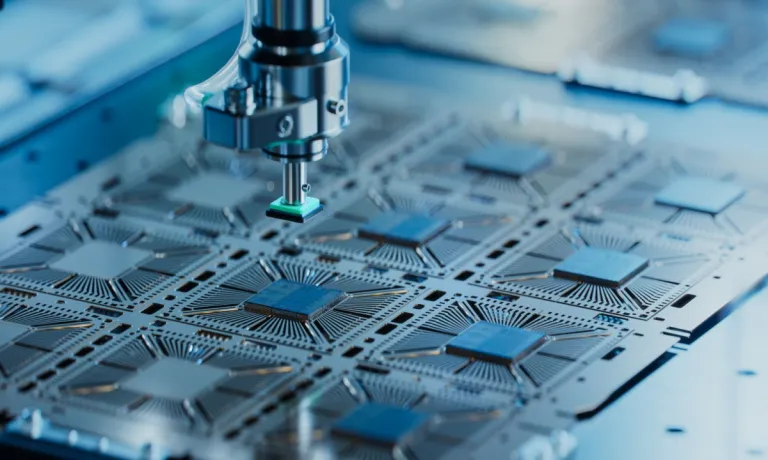
How AI’s explosive growth is reshaping memory supply, raising costs for phones, PCs, and cars
The AI memory chip shortage is rapidly becoming one of the biggest challenges facing the global electronics industry. As artificial intelligence spreads across data centers, smartphones, computers, and vehicles, it is consuming vast quantities of memory chips, leaving consumer electronics manufacturers struggling with rising costs and limited supply.
Artificial intelligence systems rely heavily on advanced processors that require large amounts of memory to function efficiently. High-performance AI chips increasingly depend on high-bandwidth memory, a specialized form of DRAM designed for speed and energy efficiency. The rapid expansion of AI-powered data centers has dramatically increased demand for this premium memory, diverting production away from standard chips used in everyday devices.
This shift has created an imbalance in the market. While demand for AI-focused memory surges, the supply of conventional DRAM used in laptops, smartphones, gaming consoles, and automobiles has tightened considerably.
Producing high-bandwidth memory is far more resource-intensive than manufacturing traditional DRAM. It requires more silicon wafers, advanced packaging techniques, and longer production cycles. As a result, memory manufacturers are prioritizing higher-margin AI products, which has reduced the availability of lower-cost memory.
The global DRAM market is also highly concentrated. A small number of firms control the majority of production, giving them significant influence over pricing and allocation. As these companies shift capacity toward AI-driven memory, prices for standard components have surged at unprecedented rates.
The effects of the AI memory chip shortage are already being felt across multiple industries. Consumer electronics makers face higher component costs, which are increasingly passed on to buyers. Personal computers and smartphones may see noticeable price increases, while shipment volumes risk slowing as manufacturers delay releases or scale back production.
Automakers are particularly vulnerable. Modern vehicles rely on growing amounts of memory for driver-assistance systems, infotainment, and onboard computing. As memory becomes scarcer, production bottlenecks and cost pressures could intensify across the automotive sector.
Large technology firms with strong purchasing power or in-house chip production are better positioned to manage the shortage. Smaller electronics brands, however, face shrinking margins and tougher negotiations with suppliers. This uneven impact could reshape competition within the consumer electronics market over the next several years.
Memory manufacturers are increasing investment in new facilities, but expanding capacity is a slow process that can take years. Most new spending is still focused on AI-optimized memory, meaning relief for consumer electronics may arrive gradually rather than quickly.
Unless demand for artificial intelligence cools significantly, the AI memory chip shortage is likely to remain a defining feature of the technology landscape. For consumers, this could mean higher prices and fewer choices in the years ahead.