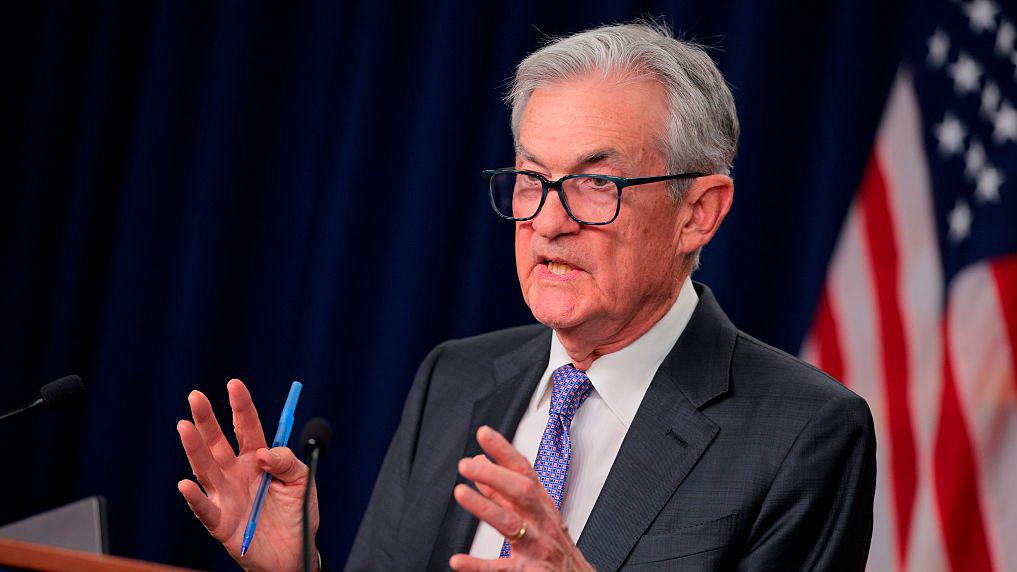
In a surprising turn of events, Federal prosecutors have initiated a criminal investigation into Federal Reserve Chairman Jerome Powell, according to Powell’s announcement on January 11, 2026. The probe centers around testimony Powell provided regarding renovations to Federal Reserve buildings, sparking concerns about the political pressures surrounding the Fed’s operations and its independence.
Background of the Investigation
The criminal probe, which Powell described as “unprecedented,” follows a subpoena served to the Federal Reserve by the US Justice Department. The investigation focuses on Powell’s comments made during a Senate committee session about the costs and plans for refurbishing Fed buildings. Powell has suggested that the investigation could be a retaliatory move stemming from his refusal to lower interest rates despite persistent pressure from former President Donald Trump.
“It’s not about whether we can transform our energy system, it’s about whether we will seize the moment to do it in a holistic way,” Powell said, expressing concerns about political interference in monetary policy.
Tensions Between Powell and Trump
The tension between Powell and Trump has been ongoing, with Trump consistently criticizing the Fed Chair for not cutting interest rates as aggressively as the president wanted. This conflict escalated during Trump’s term and continues to influence the political landscape, with Powell now facing the potential of a criminal investigation.
Trump has previously threatened to replace Powell, whom he nominated for the role in 2017, over his handling of interest rates. The president’s demands for rate cuts were intended to stimulate the economy but were met with resistance from Powell, who emphasized the importance of maintaining economic stability through evidence-based decisions rather than political pressure.
Impact on Fed Independence
The investigation into Powell raises significant questions about the independence of the Federal Reserve. Critics fear that the Justice Department’s action could be part of an effort to undermine the Fed’s ability to set interest rates without political interference. Senator Thom Tillis, a Republican member of the Senate Banking Committee, expressed his opposition to any efforts to replace Powell, citing concerns about the erosion of the Fed’s credibility.
“The independence and credibility of the Department of Justice are in question,” Tillis said, reinforcing the importance of preserving the Fed’s autonomy in setting monetary policy.
The Bigger Picture
This criminal probe is part of a larger pattern of political tensions in the US, with Powell now at the center of a dispute over the role of the Federal Reserve in economic decision-making. If the investigation advances, it could further escalate the ongoing power struggle between political figures and the central bank.
Jerome Powell’s criminal probe represents a new chapter in the ongoing conflict between the Federal Reserve and political leaders, particularly former President Donald Trump. As the investigation unfolds, it raises concerns about the future independence of the Fed and the role of political pressure in shaping US economic policies.