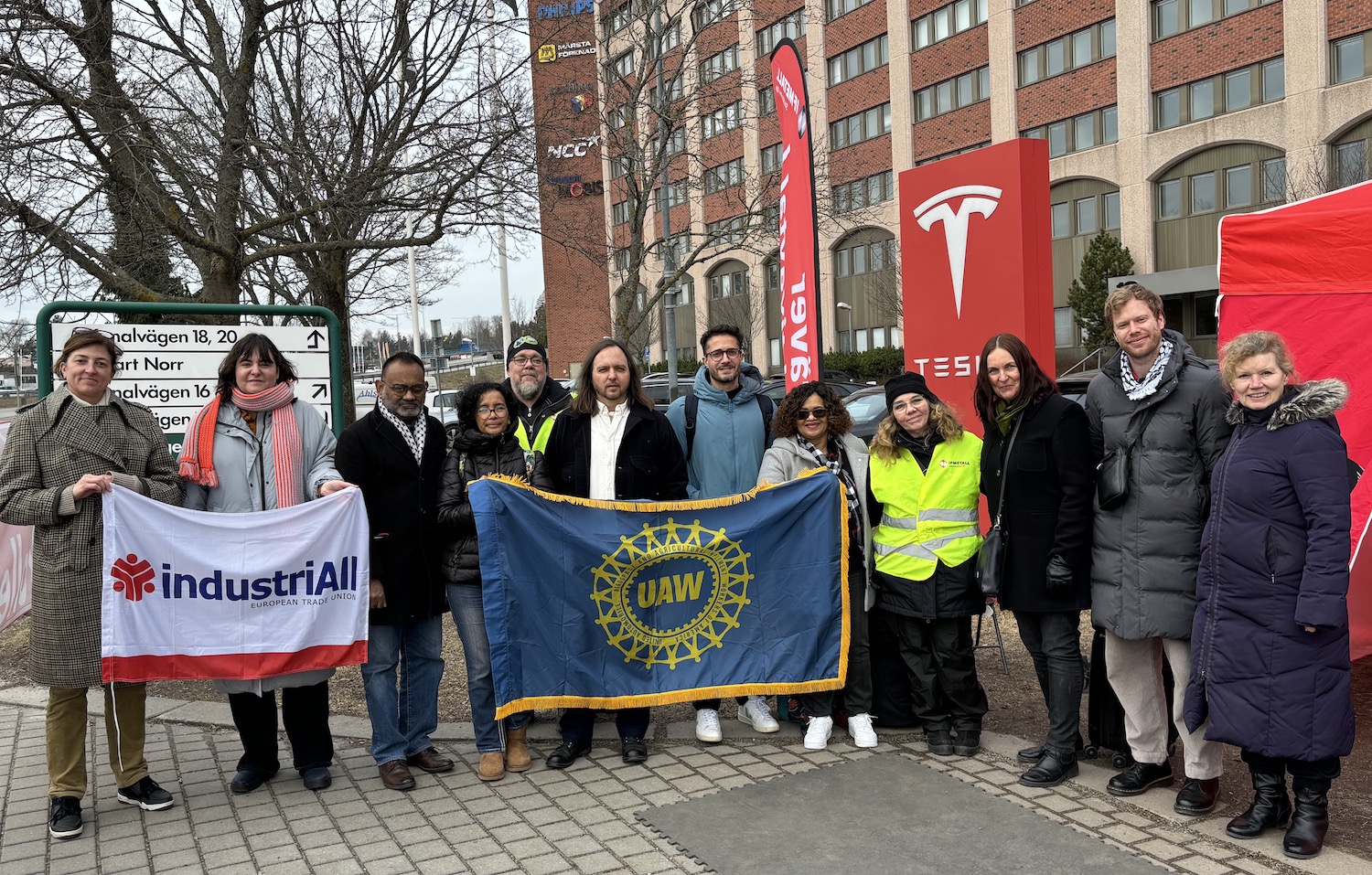
Introduction: A Labor Dispute That’s Drawn Global Attention
October 27, 2025 — For over two years, Swedish workers at Tesla’s service centers have been engaged in an extraordinary labor dispute with the American electric carmaker. These workers, primarily members of Sweden’s union IF Metall, are demanding a formal collective bargaining agreement, which they argue would provide stronger job security, standardized wages, and benefits in line with Swedish labor laws. The dispute, which began in 2023, has become a symbol of the clash between European labor traditions and Tesla’s unconventional approach to employment.
The strike has drawn significant attention both in Europe and the United States, highlighting the broader tension between Tesla’s rapid, tech-driven corporate culture and the established labor frameworks in countries like Sweden, where unions wield significant influence over worker rights. Industry experts note that this dispute is not just about pay and benefits—it reflects larger questions about how multinational corporations adapt to labor laws in different countries.
Background: Tesla in Sweden
Tesla entered the Swedish market in the early 2010s, focusing on electric vehicle sales, service centers, and repair facilities. Sweden, with its environmentally conscious population and strong automotive culture, quickly became an important market for Tesla, especially for high-end electric models like the Model S and Model X.
Despite Tesla’s growing footprint, the company has faced criticism for its employment practices. In the United States, Tesla has previously resisted unionization efforts, most notably at its Fremont factory in California. These practices have followed Tesla’s operations abroad, where the company often avoids formal collective bargaining agreements, arguing that they can manage labor relations internally.
In Sweden, however, the situation is different. Swedish labor law strongly favors union representation and collective bargaining, giving unions a legal and cultural foothold in employment negotiations. IF Metall, the union representing Tesla service workers, argues that Tesla has failed to comply with local norms by refusing to recognize the union or negotiate a collective agreement.
The Strike: Duration and Demands
The strike began in mid-2023 after months of unsuccessful negotiations between Tesla management and IF Metall. Workers walked out of Tesla service centers, demanding:
- Recognition of the union and formal engagement in negotiations.
- A collective bargaining agreement covering wages, benefits, and working conditions.
- Job security measures to prevent layoffs or arbitrary contract terminations.
The dispute has been persistent. Tesla’s response has been to maintain operations with non-union staff and to hire temporary replacements, which, according to IF Metall, undermines the strike’s effectiveness. Despite this, the striking workers have remained steadfast, demonstrating solidarity across multiple service centers in Sweden.
The strike has disrupted Tesla’s service operations in the country, affecting vehicle maintenance and repair schedules. While Tesla cars are still operational, customers have reported delays in obtaining parts, servicing appointments, and technical support, highlighting the strike’s tangible impact on the company’s operations.
International Attention and Support
The strike has attracted international solidarity, particularly from unions and labor organizations in Europe and the United States. Notably, the United Auto Workers (UAW) in the U.S. has publicly expressed support for the Swedish workers, emphasizing the importance of protecting labor rights globally.
Experts say that Tesla’s reputation is at stake. As a company that markets itself as progressive and environmentally responsible, Tesla now faces criticism for its labor practices in Europe. Many observers note the irony of a high-tech, forward-looking company clashing with Sweden’s long-standing labor model, which is considered one of the most worker-friendly in the world.
Tesla’s Response
Tesla has consistently framed the dispute differently. The company argues that it offers competitive wages and benefits and claims that unionization is unnecessary. Tesla CEO Elon Musk has historically expressed skepticism about unions, both in the United States and abroad. In Sweden, Tesla management has reportedly emphasized flexibility and direct communication with employees rather than formalized union agreements.
However, critics argue that this approach is incompatible with Swedish labor law and cultural norms. Swedish unions maintain that without formal recognition and collective bargaining, workers remain vulnerable to inconsistent treatment, unpredictable schedules, and limited negotiation power.
The standoff has led to legal challenges, with IF Metall appealing to Swedish labor authorities to enforce collective bargaining rights. As of late 2025, these proceedings remain ongoing, adding another layer of complexity to the dispute.
Economic and Strategic Implications
The strike has broader implications beyond Sweden. Tesla’s European operations are a crucial part of its global growth strategy. Delays in service and negative publicity could affect sales, especially in regions where consumers are sensitive to labor practices and corporate ethics.
Analysts argue that the outcome of this dispute could influence Tesla’s approach to labor relations in other European countries, including Germany, the Netherlands, and Norway. If Tesla is compelled to negotiate a collective bargaining agreement in Sweden, it may set a precedent for its operations across the continent.
Moreover, the strike highlights the strategic challenges faced by multinational corporations that expand into countries with strong labor protections. Tesla’s tech-driven, Silicon Valley-style approach to employment may clash with established European frameworks, forcing companies to adapt or face operational and reputational risks.
Worker Perspectives
Striking workers emphasize that the dispute is about fairness and dignity, not just wages. “We want to be treated like every other worker in Sweden,” said Anders Johansson, a Tesla service technician involved in the strike. “We are proud to work for Tesla, but we deserve the same protections and rights that other employees have.”
The workers argue that a collective bargaining agreement would provide predictable schedules, enforceable benefits, and a structured process for resolving disputes. Many also note the psychological impact of working in a high-pressure environment without formal representation, stressing that labor rights contribute to both productivity and workplace morale.
International Labor Trends
The Tesla Sweden strike fits into a broader pattern of labor activism among tech and automotive companies. Globally, workers are increasingly demanding union representation, fair wages, and job security, even in industries traditionally resistant to organized labor. From Amazon warehouses to auto manufacturing plants, employees are pushing for a voice in decisions that affect their livelihoods.
For Tesla, this trend represents both a challenge and an opportunity. Successfully resolving the Swedish dispute could demonstrate the company’s ability to engage constructively with labor organizations, potentially improving its reputation in Europe. Conversely, prolonged conflict could damage Tesla’s brand and hinder its expansion efforts.
Legal and Regulatory Considerations
Sweden’s labor law strongly favors collective bargaining. Employers are expected to negotiate with unions that represent their employees. IF Metall has invoked these laws in challenging Tesla’s refusal to recognize the union. Labor authorities are monitoring compliance closely, and there is potential for fines or other enforcement measures if Tesla is found to be in violation.
The legal framework also gives striking workers protections against retaliation, ensuring that they cannot be legally dismissed for participating in lawful industrial action. This provides a safety net for employees while increasing pressure on Tesla to negotiate in good faith.
Looking Ahead
The Tesla Sweden strike is entering a critical phase. IF Metall continues to press for formal recognition, and legal proceedings could culminate in a binding decision from labor authorities. Meanwhile, international attention is likely to grow, with other unions and advocacy groups monitoring the case.
Industry analysts predict that Tesla will eventually need to reconcile its global corporate culture with European labor norms. The resolution could influence labor practices at Tesla service centers across the continent and shape broader corporate approaches to unionization in high-tech industries.
Conclusion
The ongoing strike of Swedish Tesla workers underscores the tensions between multinational corporations and local labor traditions. While Tesla aims to maintain flexibility and control over its workforce, Swedish labor laws and union practices demand collective bargaining, job security, and enforceable worker protections.
As the dispute continues, the outcome will have implications not just for Tesla and its employees, but for international labor standards, multinational corporate governance, and the global electric vehicle industry.
For the striking workers, the fight is about more than immediate benefits—it is about setting a precedent for worker rights in an increasingly globalized and high-tech economy. Their persistence highlights the enduring power of unions and the challenges multinational companies face when expanding into regions with strong labor protections.