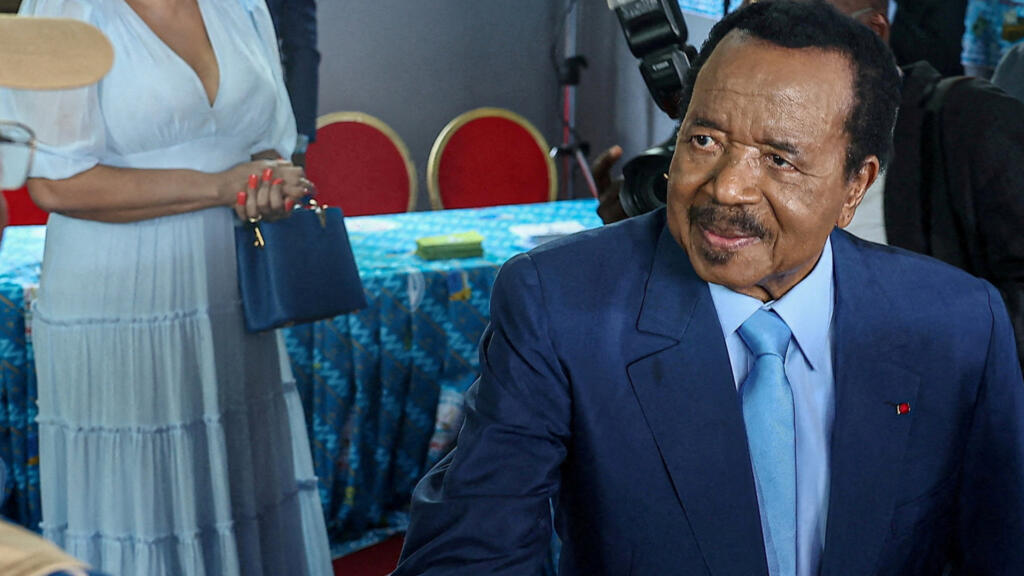
Cameroon’s Constitutional Council officially declared incumbent President Paul Biya the winner of the October 12, 2025, presidential election, securing his eighth term in office. At 92 years old, Biya remains the world’s oldest serving head of state, having ruled the country since 1982. According to official results, he received 53.66% of the vote, defeating his main rival, Issa Tchiroma Bakary, who garnered 35.19%.
This victory extends Biya’s long-standing rule in Cameroon, but it has come amid widespread allegations of irregularities, public protests, and international scrutiny.
Campaign Amid Controversy
Biya’s campaign was notably low-profile, relying heavily on digital media and limited public appearances. Analysts suggest that this strategy reflects his advanced age and decades-long dominance in the political landscape. In contrast, Issa Tchiroma Bakary, a former government spokesperson and minister, ran a vigorous campaign. He engaged opposition parties, civic organizations, and local activists to maximize outreach.
Before the official results were announced, Tchiroma claimed victory, citing partial voter data. He alleged electoral fraud, claiming he had received 54.8% support, a figure significantly higher than the official tally. His early declaration fueled political tension and polarized supporters nationwide.
Observers note that this election cycle was marked by limited transparency and heavily scrutinized voter registration processes. Reports surfaced of deceased individuals listed as eligible voters, as well as allegations of ballot box manipulation in certain districts. While officials denied wrongdoing, these claims have cast a shadow over the legitimacy of the election.
Unrest and Allegations of Violence
The announcement of Biya’s victory immediately triggered protests across major cities. In Douala, Cameroon’s largest city, clashes erupted between opposition supporters and security forces. At least four people were killed, with dozens more injured, according to local sources.
Near Garoua, Tchiroma reported gunfire directed at civilians outside his home. Authorities have not verified these claims, but they underscore the tense security situation in parts of the country. Protesters expressed frustration over perceived electoral manipulation, demanding an independent review of the results.
Civil society groups warned that such unrest reflects deeper political disillusionment among Cameroonians, particularly youth. Many believe that long-standing political dominance by Biya has hindered democratic progress and limited opportunities for new leaders to emerge.
International Reactions
International response to Biya’s re-election has been mixed. The African Union described the election as broadly compliant with international standards, noting the absence of widespread violence during polling. However, the AU also acknowledged reported irregularities, such as deceased voters on lists and issues with ballot boxes.
Human rights organizations and opposition parties sharply criticized the process. They condemned both government oversight failures and the subsequent crackdown on dissent. International observers warned that the country must address these concerns to preserve the credibility of future elections.
Several foreign governments have expressed caution, urging Cameroon’s leaders to engage in dialogue with opposition figures and civil society. Diplomatic sources emphasized the importance of upholding democratic norms and ensuring that citizens’ voices are respected.
Political Landscape and Governance Challenges
Cameroon’s political system has been dominated by Paul Biya and the Cameroon People’s Democratic Movement (CPDM) for decades. Analysts argue that the repeated reelection of Biya highlights a pattern of entrenched power, with limited space for political alternation.
The opposition, meanwhile, remains fragmented. While Tchiroma’s candidacy represented a coalition of smaller parties, it lacked the unified backing necessary to challenge Biya’s dominance effectively. Political experts suggest that this fragmentation benefits the ruling party, consolidating its hold over electoral institutions, media, and administrative structures.
Youth disillusionment has emerged as a major challenge. With high unemployment and limited opportunities, young Cameroonians often view politics as closed and unresponsive. Protests, online campaigns, and community activism have grown, reflecting demands for meaningful reforms, transparency, and increased political participation.
Economic Considerations
Cameroon faces significant economic challenges, including high public debt, inflation, and regional disparities. Biya’s administration has emphasized infrastructure development, agricultural modernization, and foreign investment as priorities.
However, critics argue that political uncertainty—especially following contested elections—can undermine investor confidence and stall economic reforms. Analysts suggest that sustainable growth will depend not only on policy initiatives but also on political stability and inclusive governance.
Looking Ahead: Eighth Term Challenges
As Biya begins his eighth term, Cameroon confronts critical crossroads. The opposition has vowed to continue contesting the results through legal and civic channels. Calls for electoral reform are intensifying, particularly around voter registration accuracy, independent oversight, and transparent ballot counting.
International observers continue to monitor the situation, stressing the need for peaceful resolution and dialogue. There is widespread recognition that long-term stability requires a balance between government authority and citizens’ rights.
Security remains a pressing issue. Protests and civil unrest are likely to persist unless authorities address legitimate grievances. Human rights groups urge restraint and stress the importance of avoiding excessive use of force against demonstrators.
The country also faces broader governance challenges, including tackling corruption, improving social services, and creating opportunities for youth. Experts argue that political reform, coupled with economic inclusion, is essential to prevent further unrest and strengthen Cameroon’s democratic institutions.
The Broader Implications
Biya’s reelection highlights enduring questions about democracy in Cameroon and the region. It underscores the difficulties long-serving leaders pose to institutional renewal and political competition.
The election also serves as a test for international engagement, examining how foreign actors respond to contested results and human rights concerns. For the Cameroonian people, the outcome reflects both the continuity of leadership and the urgent need for systemic change.
Moving forward, the critical questions remain: How will the government address opposition demands? Can Cameroon reconcile decades of concentrated power with the aspirations of its citizens? And will youth and civil society be able to influence the political process meaningfully?
Conclusion
Paul Biya’s official victory in the 2025 presidential election extends his rule into an unprecedented eighth term. While the Constitutional Council validated the results, allegations of irregularities, protests, and violence have raised serious concerns.
The coming months will be crucial. Cameroon’s political stability, economic development, and democratic credibility depend on how both the government and opposition navigate this tense period.
Observers worldwide will be watching closely to see whether Cameroon can balance continuity with reform, protect citizens’ rights, and chart a path toward more transparent governance. The nation’s future hinges on its leaders’ ability to listen, engage, and enact meaningful change that reflects the aspirations of all Cameroonians.