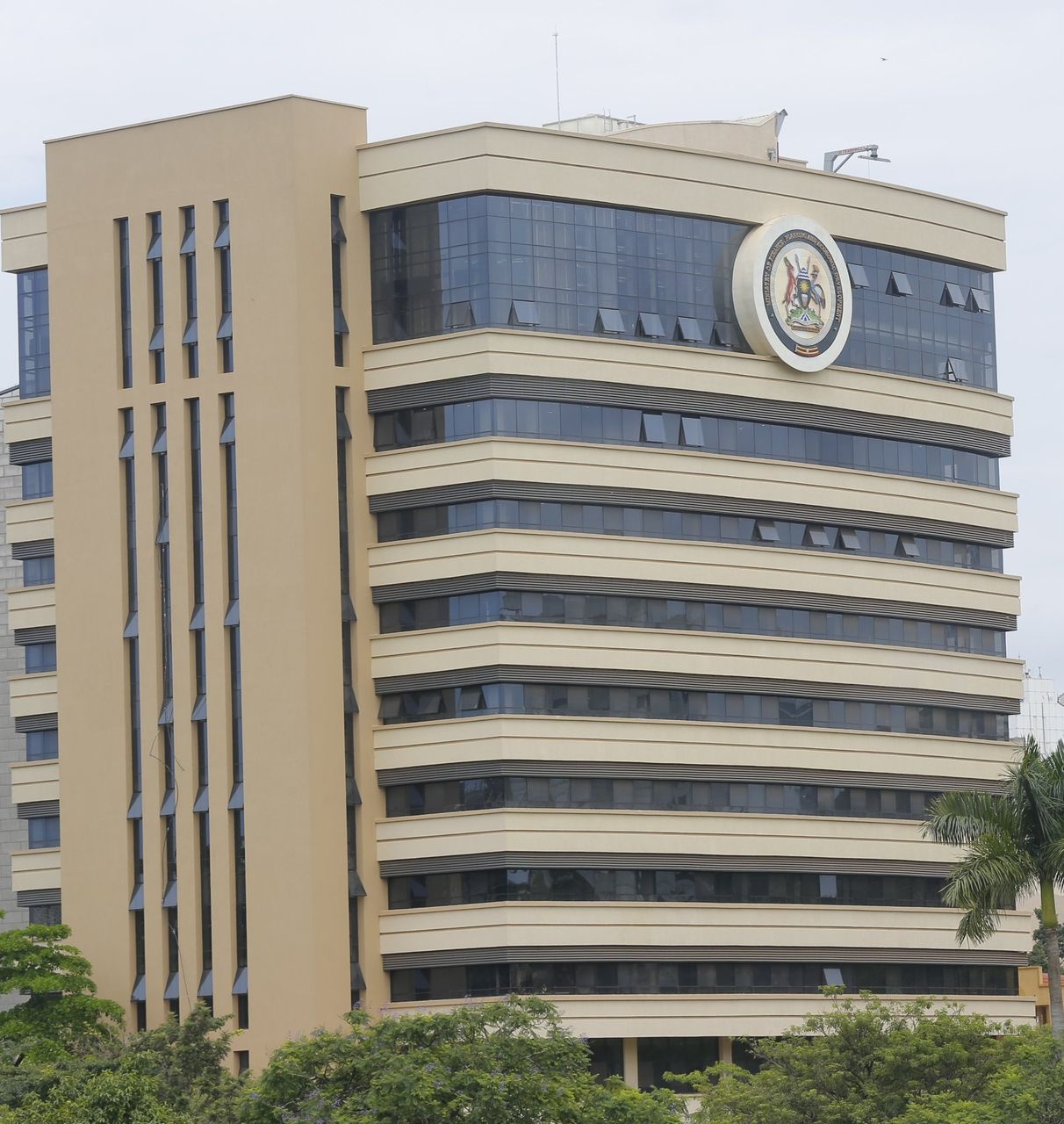
Uganda’s FY2026/27 Budget has triggered sharp debate after government projected a reduced resource envelope of Shs69.399 trillion. This figure marks a drop from Shs72.376 trillion in the current financial year. As a result, questions have emerged about fiscal priorities at a time when policymakers continue to promote ambitious growth targets.
Fiscal Consolidation Shapes the Budget Outlook
Treasury officials say the lower budget reflects ongoing fiscal consolidation. According to them, tighter domestic and external financing conditions have forced government to restrain spending. However, critics argue that the key issue lies not in the budget size but in how government allocates available resources.
Economists and civil society groups warn that Uganda risks missing its growth ambitions without stronger investment in productive sectors. They point specifically to agriculture and agro-industrialisation as areas needing urgent attention. Without such investment, they argue, goals like double-digit growth and a ten-fold economic expansion will remain out of reach.
Lower Spending Amid High Growth Ambitions
While policymakers project faster economic expansion, government plans to spend less. Uganda’s FY2026/27 Budget Framework Paper signals a clear shift toward restrained expenditure. Analysts say this contradiction calls for sharper prioritisation across government programmes.
Many experts believe Uganda must strengthen farms, factories, and value chains to achieve sustained growth. They caution against overreliance on oil revenues and optimistic projections. Instead, they urge government to focus on sectors that generate long-term productivity and jobs.
Calls for Stronger Domestic Revenue Mobilisation
Senior economist Charles Ocici has criticised the revenue strategy outlined in the framework. He argues that Uganda can only meet its growth targets by adopting a more aggressive and diversified domestic revenue mobilisation approach.
According to Ocici, growth driven by production and value addition offers a more sustainable path. He says this approach would expand the tax base more effectively than continued dependence on borrowing.
Key Revenue and Spending Projections
The framework projects domestic revenue will rise to Shs40.09 trillion from Shs36.81 trillion. At the same time, government discretionary spending will fall to Shs31.06 trillion from Shs32.48 trillion. Domestic borrowing is expected to decline to Shs8.95 trillion, down from Shs11.38 trillion.
Debt refinancing will ease slightly to Shs9.68 trillion from Shs10.03 trillion. Meanwhile, external budget financing will drop sharply to Shs330.97 billion from Shs2.08 trillion. These figures reflect government’s effort to reduce reliance on debt while tightening overall spending.
Focus Shifts to Spending Choices
As Parliament and the public examine Uganda’s FY2026/27 Budget, attention is shifting toward spending priorities. Many stakeholders now question whether government choices align with its economic transformation agenda.
Analysts argue that Uganda can only achieve meaningful growth if it directs limited resources toward productive investments. For them, the budget debate now centres on quality rather than quantity of spending, as the country seeks a more resilient and inclusive economic path.
Read Also
China Tourism Performance
BYD Overtakes Tesla
Berkshire Loses Its Best
As scrutiny intensifies, Uganda’s FY2026/27 Budget will test government’s willingness to make tough fiscal choices. Ultimately, the success of its growth agenda will depend on how well it aligns spending with long-term economic priorities.