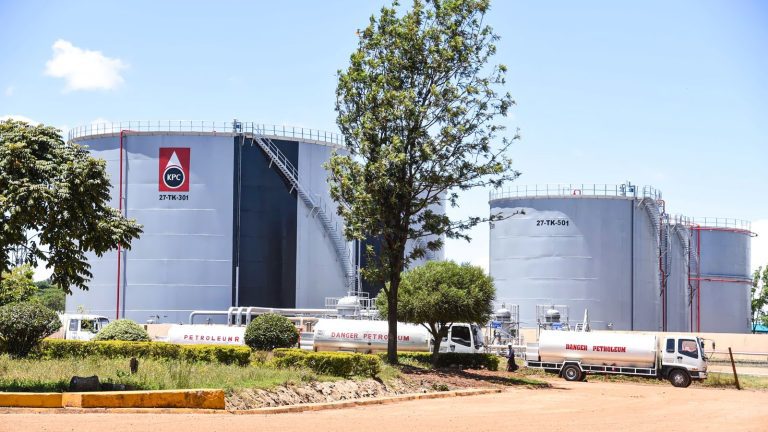
Kenya Pipeline IPO plans have placed the country back in the spotlight after more than a decade without a major public listing. The government is seeking to raise a record KSh106.3 billion, about $824 million, through the sale of a majority stake in the state-owned pipeline operator, signaling renewed confidence in Kenya’s capital markets.
The Kenya Pipeline IPO will see the government sell around 11.8 billion shares, representing roughly 65 percent of Kenya Pipeline Company. Based on the offer structure, the transaction values the firm at approximately KSh163.6 billion, making it one of the largest equity offerings ever attempted in East Africa.
According to officials, the Kenya Pipeline IPO opens on January 19 and will run until February 19, giving both local and international investors a month-long window to participate. If successful, the listing would be Kenya’s first initial public offering of this scale in 11 years, ending a prolonged dry spell on the Nairobi Securities Exchange.
The decision to proceed with the Kenya Pipeline IPO reflects the economic strategy of President William Ruto’s administration, which has emphasized privatization and asset sales as tools to raise revenue and reduce pressure on public finances. By offloading a controlling stake, the government aims to unlock value from a strategic infrastructure asset while broadening public ownership.
Market analysts say the Kenya Pipeline IPO could act as a catalyst for renewed activity on the bourse, which has struggled with low liquidity and few new listings in recent years. A successful offering may restore investor confidence and encourage other state-owned or private firms to consider public listings.
However, the scale of the Kenya Pipeline IPO also presents risks. Absorbing such a large volume of shares will test market depth, particularly among domestic investors. The government is therefore expected to court foreign institutional investors to ensure strong demand and pricing stability.
Beyond fundraising, the Kenya Pipeline is being watched as a broader signal of Kenya’s commitment to capital market reforms. If well executed, it could mark a turning point, positioning Nairobi once again as a leading financial hub in the region.