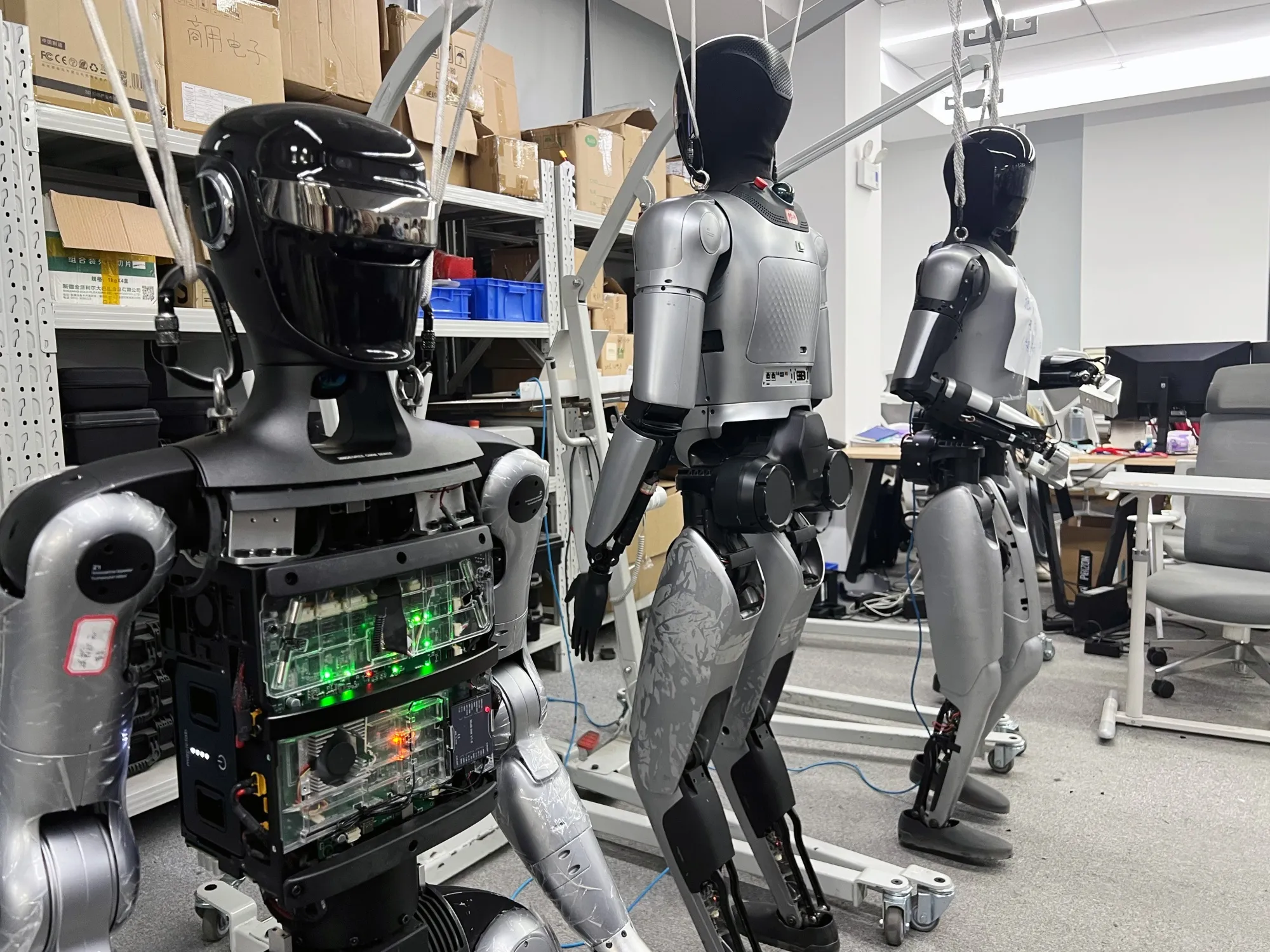
China’s push into high-tech industries like artificial intelligence (AI) and robotics may be a step in the right direction, but it’s not enough to reverse the damage caused by the country’s ongoing property slump. According to a new report from Rhodium Group, while the tech sector adds some growth, it pales in comparison to the massive economic drag exerted by the struggling real estate market. With the nation increasingly dependent on exports, the report suggests that the Chinese economy is more vulnerable than ever to global trade risks.
Tech Gains Fall Short of Economic Needs
While China is striving to enhance its technological capabilities, the report highlights that emerging sectors like AI and robotics are contributing far less to the economy than traditional sectors are pulling back. From 2023 to 2025, these high-tech industries are expected to add just 0.8 percentage points to GDP, while real estate and other industries could shrink the economy by as much as 6 percentage points. Rhodium Group’s analysis reveals that China’s growth strategy isn’t likely to achieve its ambitious targets with this imbalance.
“China’s growth strategy isn’t going to work,” said Logan Wright, a Rhodium Group partner. “They’re not going to hit their GDP growth targets based on the policies they’ve set out.”
The Property Slump Deepens
Real estate has long been a cornerstone of China’s economic growth, accounting for a significant portion of GDP. However, the property sector has been in decline for years, with new home sales hitting their lowest levels since 2009. This ongoing slump continues to drag down China’s economic performance, and while there are recent signals that policymakers might intervene, the damage remains extensive.
According to the report, the property sector alone could shave 1.2 percentage points off China’s GDP in 2026. Even with the rise of digital technologies contributing about 2.6 percentage points, China’s overall economic growth for 2026 is projected to be just 4.6%, far below the 5% target.
Job Risks and Automation Challenges
As China invests heavily in automation, AI, and robotics, it risks displacing millions of jobs. These industries are not labor-intensive, meaning the shift could result in the loss of up to 100 million jobs over the next decade. This job displacement could exacerbate the already high unemployment rate, especially among urban youth, which remains significantly higher than the national average.
While emerging sectors like AI and robotics offer some growth, the reduction in traditional manufacturing and construction jobs poses a serious challenge for China’s workforce.
The Growing Exposure to Trade Risks
As China faces weaker domestic demand, its dependence on exports becomes more pronounced. With global markets raising tariffs on Chinese goods, the country’s reliance on foreign markets for economic growth is putting it at risk of new trade tensions. Rhodium Group suggests that China’s increased dependence on exports, particularly electric vehicles, could make the economy even more vulnerable to trade disruptions.
“China will remain even more reliant upon exports, leaving the economy vulnerable to new trade restrictions,” the report states, emphasizing that trade risks will continue to escalate as tariffs rise.
China’s strategy of pushing into high-tech sectors like AI and robotics shows promise, but it is not enough to counterbalance the deep challenges posed by the struggling real estate market. The country’s growing reliance on exports only increases its vulnerability to trade tensions. To secure long-term growth, China must address the broader economic issues at play, especially in the real estate sector, while carefully navigating the risks tied to global trade.