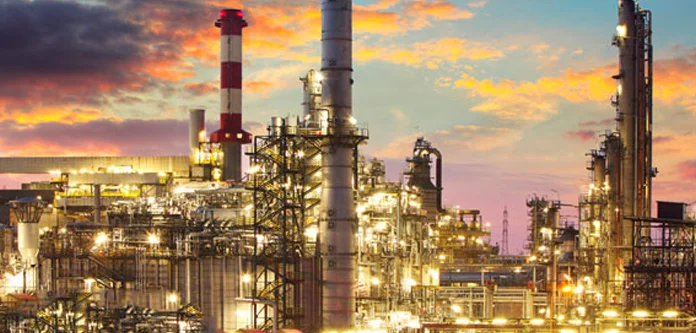
Africa refinery projects have gained momentum in recent years, with several high-profile developments signaling progress toward energy self-sufficiency. However, new analysis shows that even the most ambitious refinery investments will not be enough to close the continent’s widening gap in refining capacity, leaving many oil-producing nations dependent on imported fuel.
According to insights from African Energy Chamber, Africa refinery projects continue to face a core challenge: weak economics. While governments and private developers have announced multiple new facilities, many struggle to attract financing because refining margins remain thin and upfront capital requirements are high. As a result, several proposed projects are unlikely to move beyond the planning stage.
Africa refinery projects are currently led by Nigeria’s landmark development, the Dangote Refinery, now the largest refinery on the continent. Its operations have already reduced Nigeria’s reliance on fuel imports and enabled exports of refined products to regional and global markets. Even so, technical setbacks, maintenance issues, and uncertainty around long-term crude supply highlight how complex large-scale refining can be.
Beyond Nigeria, Africa refinery projects in Angola and Uganda offer incremental gains but remain limited in scale. Angola’s Cabinda refinery is expected to come online in phases, while Uganda’s Hoima refinery is progressing more slowly, with commercial output still several years away. These projects add capacity, but not at levels sufficient to meet long-term demand growth.
The economic realities facing Africa refinery projects are compounded by global financing trends. Western lenders are increasingly cautious about fossil fuel investments, pushing African developers to seek funding from domestic sources or partners in the Middle East and Asia. While new institutions such as the planned African Energy Bank could help, financing constraints remain a major barrier.
Trade inefficiencies further weaken the impact of Africa refinery projects. Many countries export crude oil only to re-import expensive refined products, losing value, jobs, and industrial growth opportunities. Limited regional integration means African states often trade energy products with distant markets instead of neighboring countries, raising costs and reducing resilience.
Experts argue that Africa refinery projects will only deliver transformative benefits if paired with stronger regional collaboration. Investment in shared pipelines, storage, ports, and cross-border infrastructure could unlock economies of scale that individual countries cannot achieve alone. By aligning policies and pooling resources, Africa can turn refining from a bottleneck into a driver of long-term industrial growth.
In their current form, refinery projects represent progress, but not a complete solution. Without deeper regional cooperation, improved economics, and sustained infrastructure investment, the continent will continue to refine too little of its own oil to meet rising demand.